EN
 BG
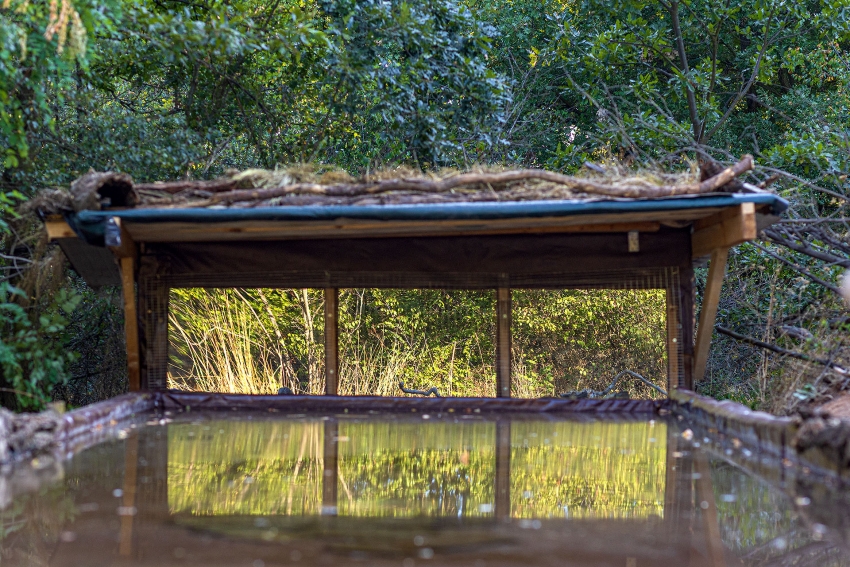
Small forest drinking pond
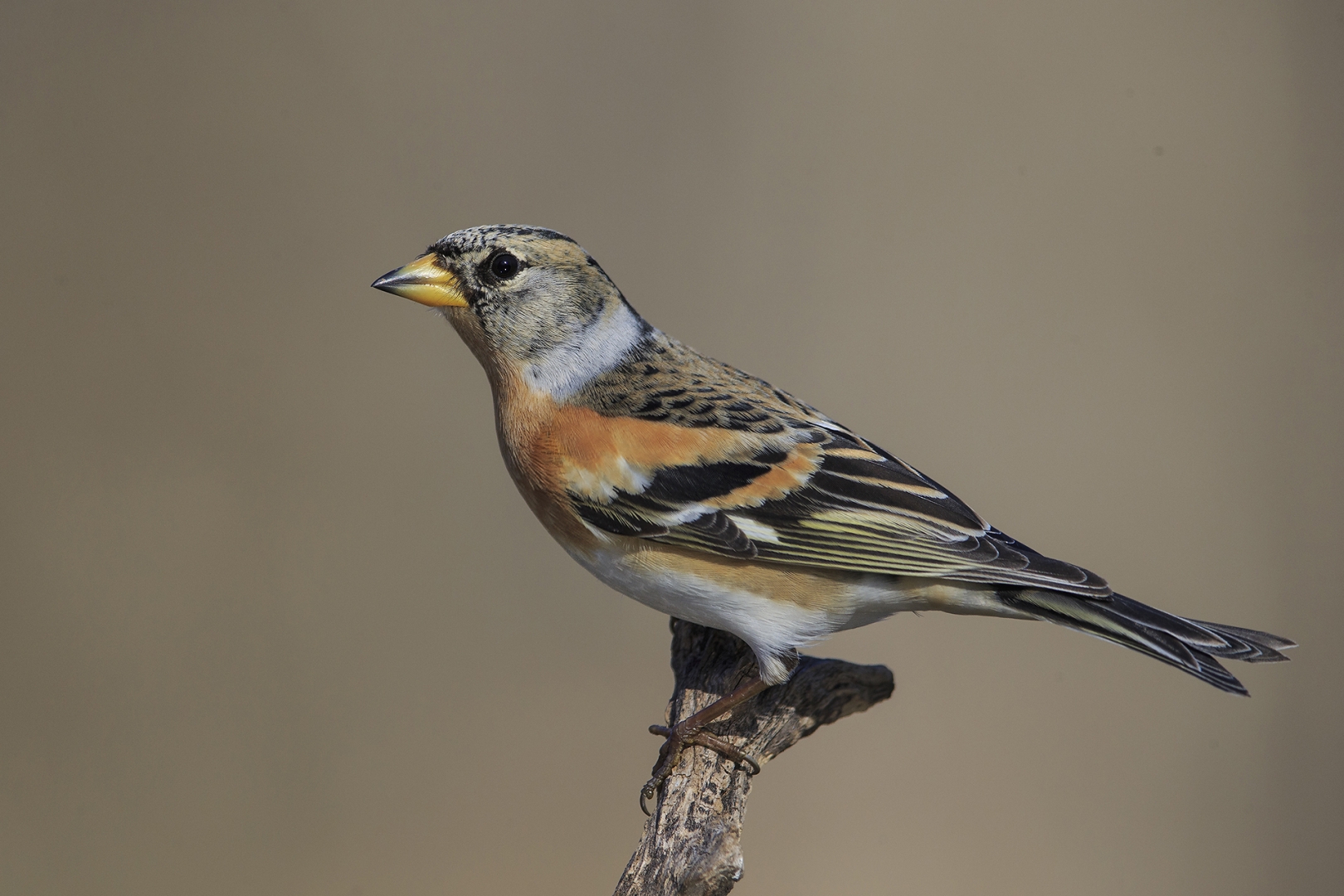
The hide is located near Dimitrovgrad, about a kilometer from the Maritsa River. It is situated in a young mixed forest with prevailing oak and acacia trees with undergrowth. The woodland is home to many interesting species, mainly songbirds.
The hide accommodates up to three photographers. There is a large pool in front of it that birds use for bathing and drinking. Additionally, feeders with seeds and nuts are placed to attract even more birds.
The site has excellent bird activity, with some species present year-round, while others can only be photographed during specific seasons.
Peak activity occurs during the spring migration and the cold winter months.
Location & Capacity
- Located near Dimitrovgrad, about 1 km from the Maritsa River
- Accommodates up to 3 photographers
Features & Setup
- Large pool in front of the hide, used by birds for bathing and drinking
- Seed and nut feeders attract additional bird species
- Located in a young oak-acacia forest with rich undergrowth
- Offers opportunities to photograph a variety of songbirds and other species
- One of the first drinking pool hides in Bulgaria and the Balkans
Best Seasons & Light Conditions
-
Peak activity:
- Spring migration
- Cold winter months
-
Summer lighting:
- The embrasures face north-northeast
- Morning: Sun rises in backlight
- Afternoon (after 16:00): Light becomes ideal, falling where birds land most frequently
-
Winter lighting:
- Suitable for shooting all day
- Sun rises to the right of the hide and moves behind it
- Bare tree canopies allow more light into the hide
Shooting Distance & Recommended Lenses
- Distance between birds and photographers: 4–8 meters
- Edge of the watering pool: ~6 meters
-
Birds and animals of various sizes appear, so recommended lenses include:
- Zoom lenses: 100–500mm, 150–600mm, 200–600mm
- Prime lenses: 300mm, 400mm, 500mm (also excellent)
Hide Equipment & Shooting Setup
- Metal mounts for attaching photo heads (no need for tripods)
- Shooting through special photography glass
- Observation through a glass window above the embrasures
Wildlife Photographed Over 10+ Years
- 60+ bird species
- 7–8 mammal species
- Several amphibians and reptiles
Commonly Photographed Species
Birds
- Great Tit (Parus major)
- Blue Tit (Parus caeruleus)
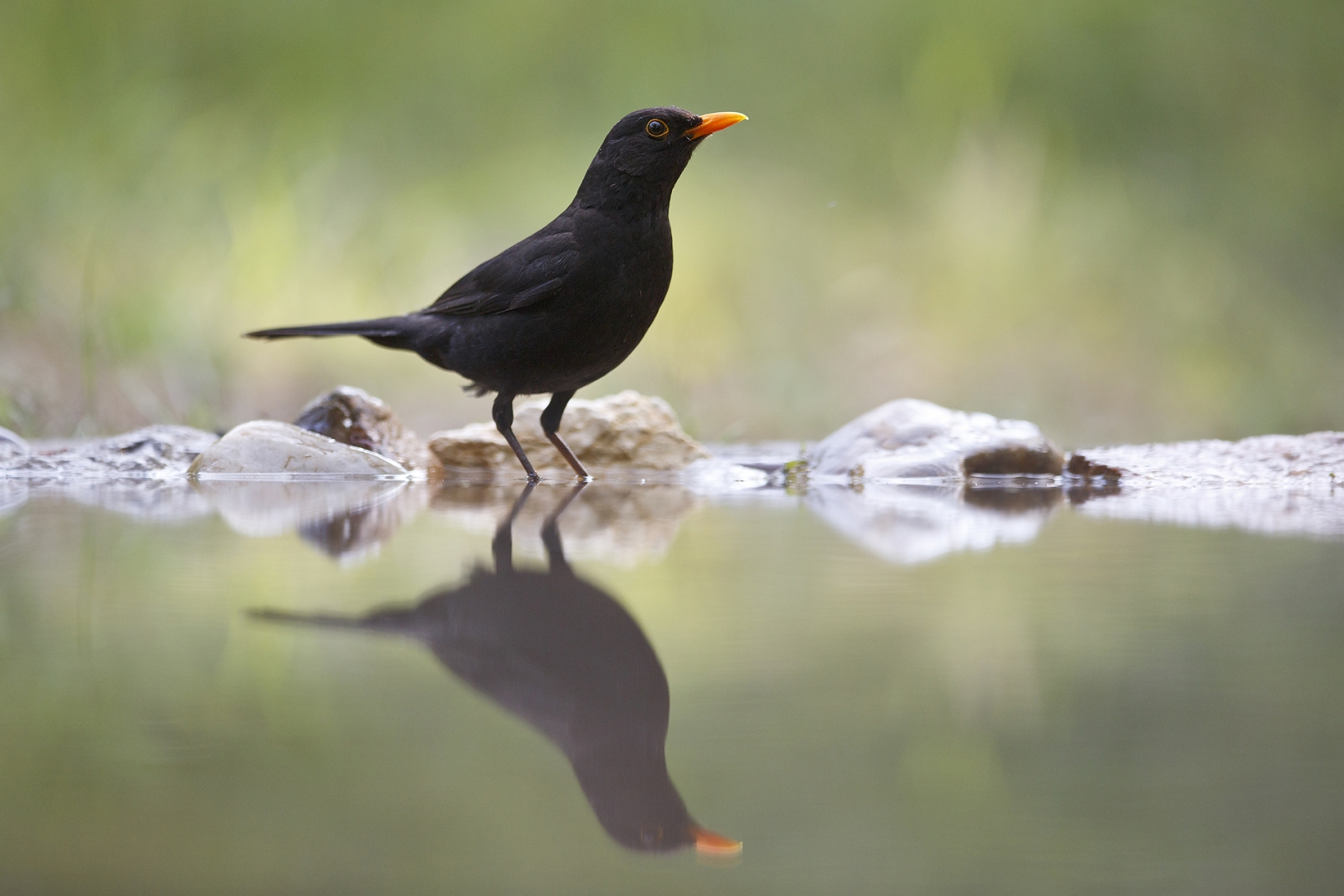
- Blackbird (Turdus merula)
- Song Thrush (Turdus philomelos)
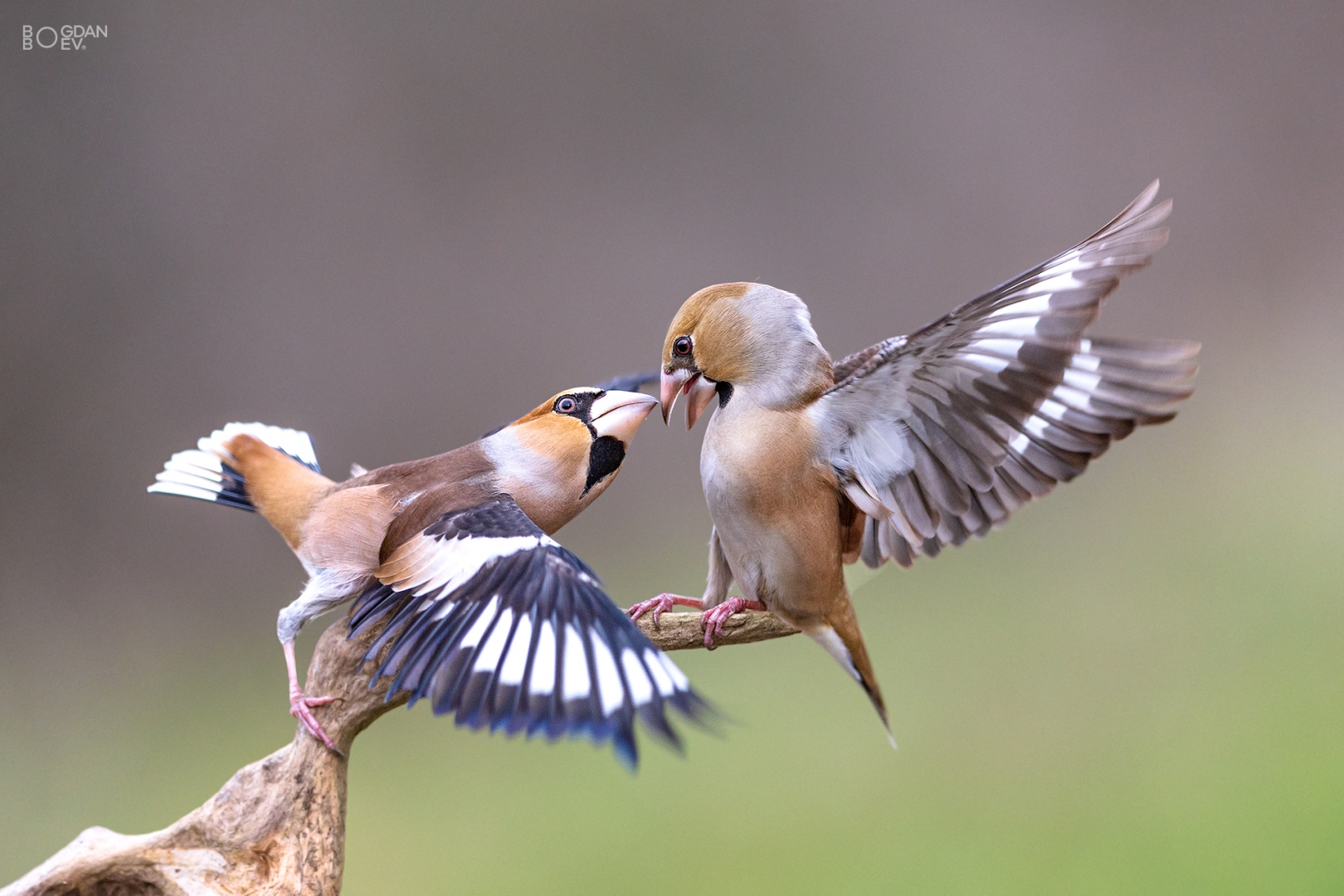
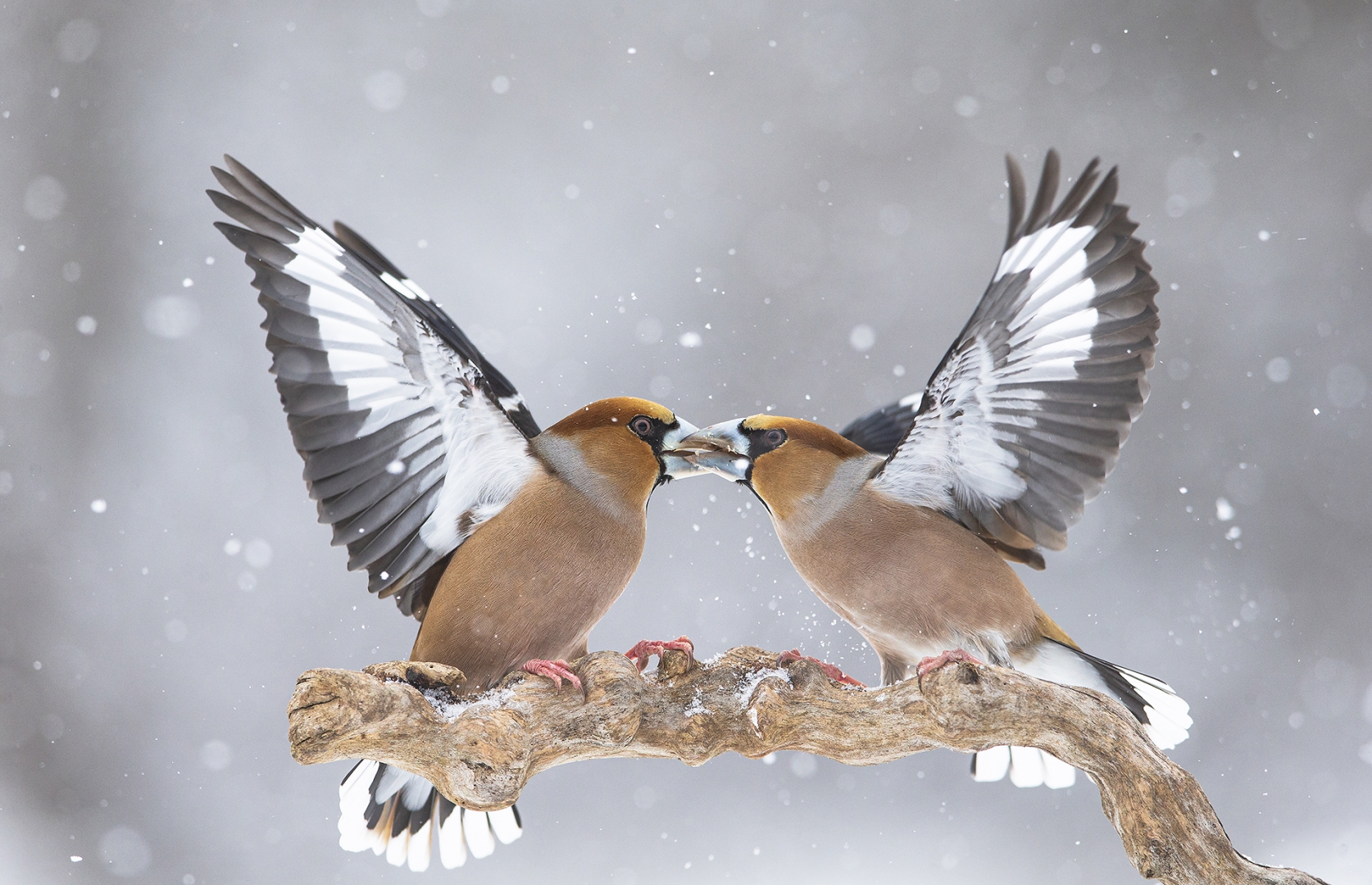
- Hawfinch (Coccothraustes coccothraustes)
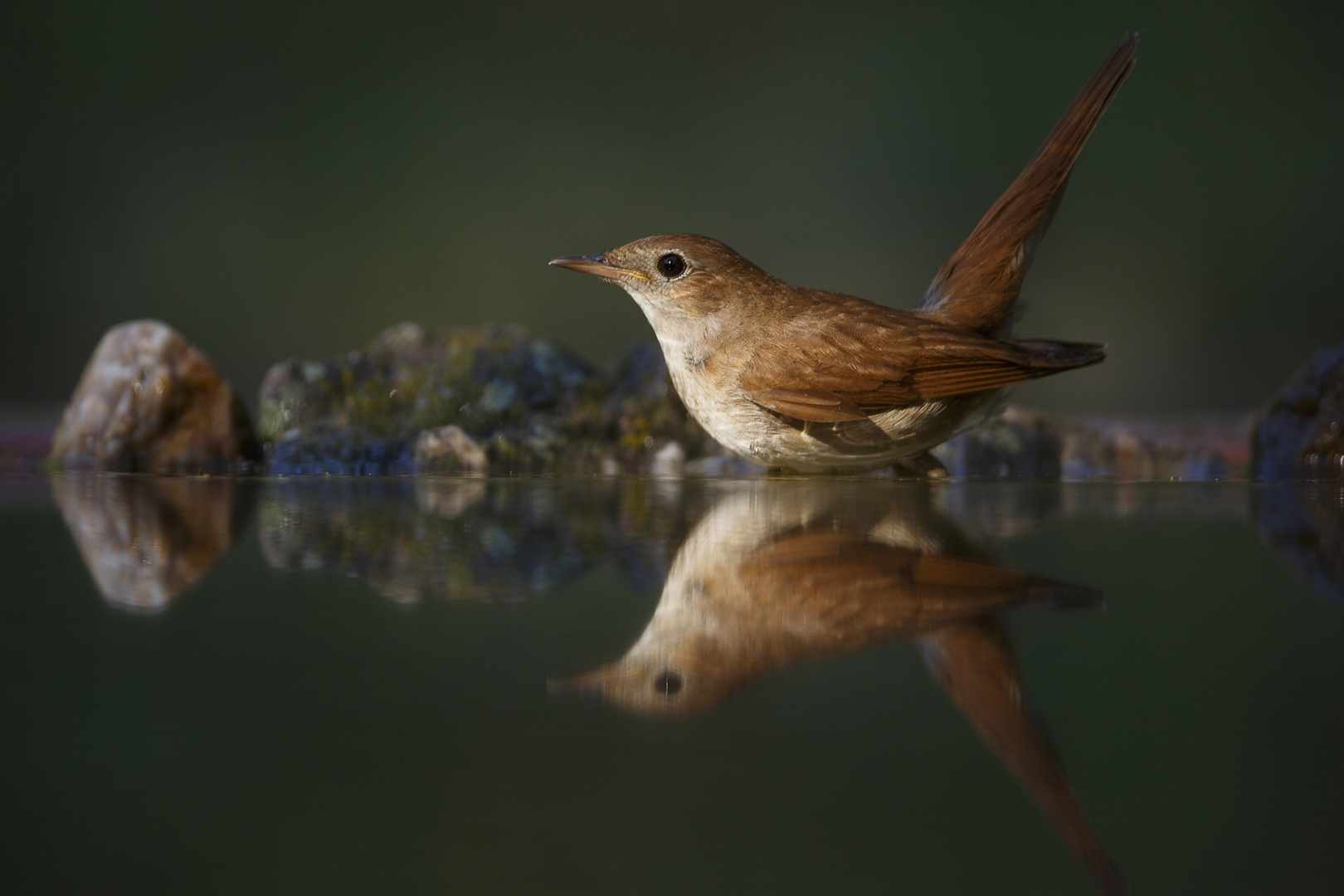
- Common Nightingale (Luscinia megarhynchos)
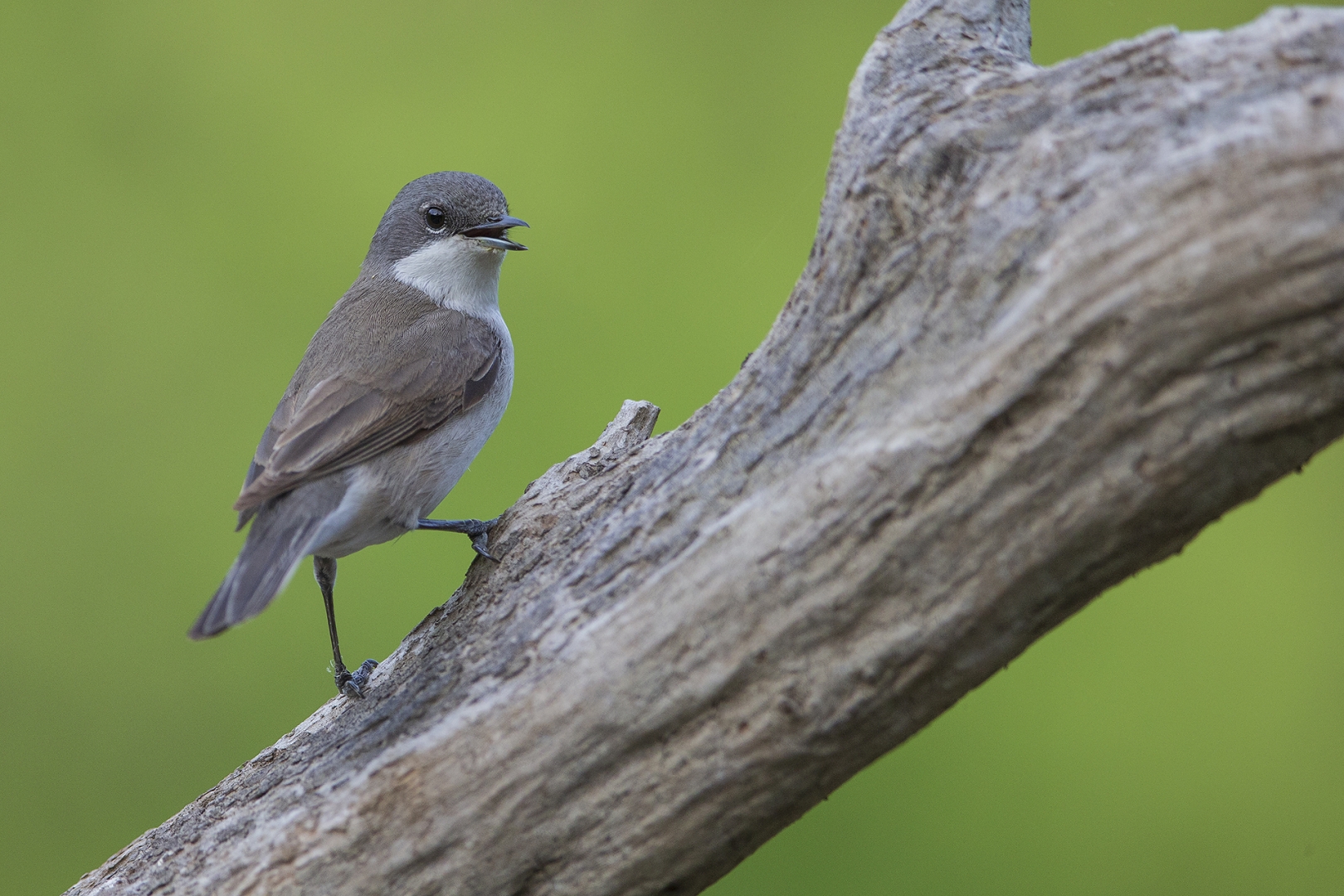
- Semi-collared Flycatcher (Ficedula semitorquata)
- Common Chiffchaff (Phylloscopus collybita)
- Great Spotted Woodpecker (Dendrocopos major)
- Syrian Woodpecker (Dendrocopos syriacus)
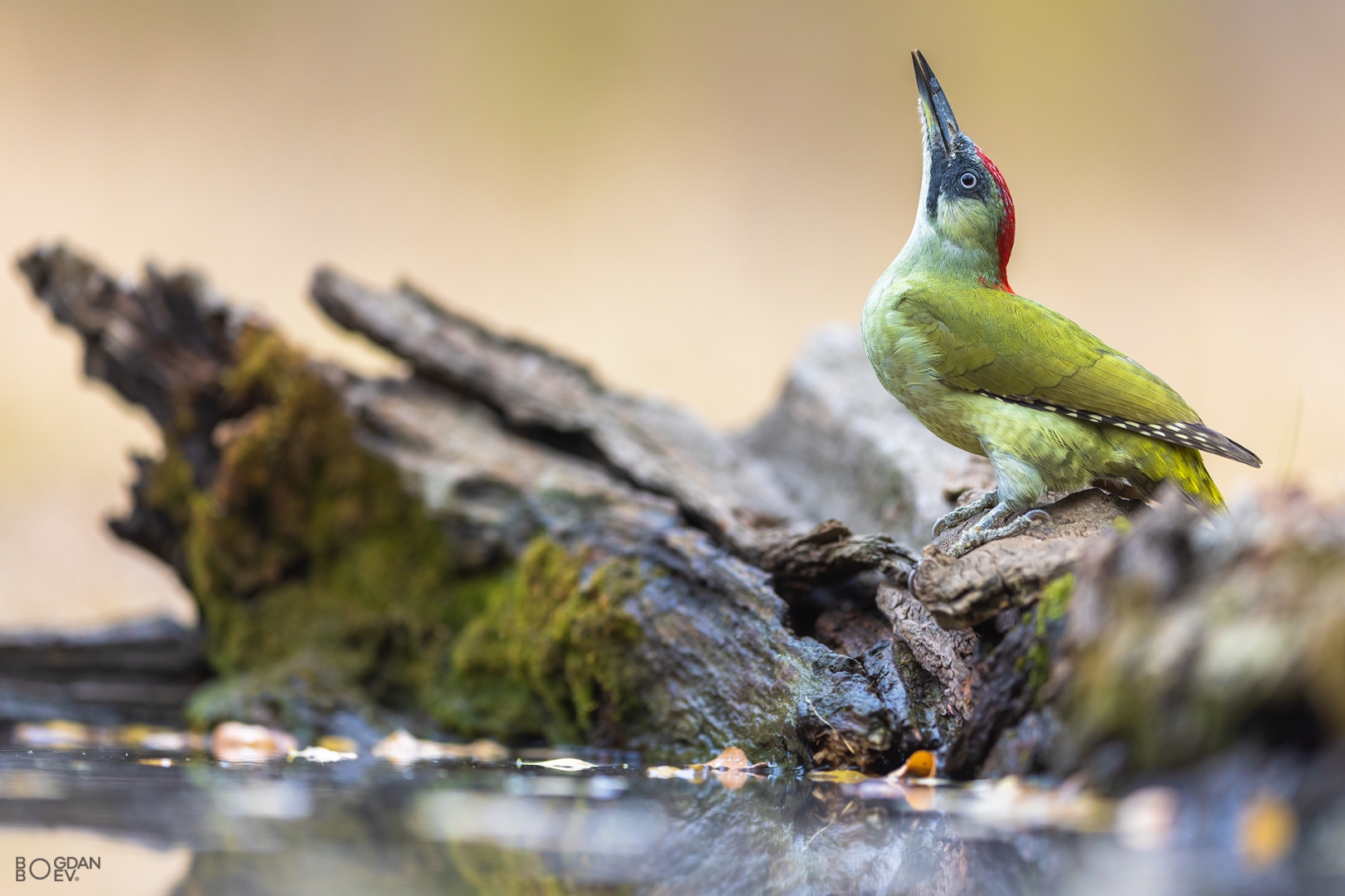
- European Green Woodpecker (Picus viridis)
- Red-backed Shrike (Lanius collurio)
- Masked Shrike (Lanius nubicus)
- European Jay (Garrulus glandarius)
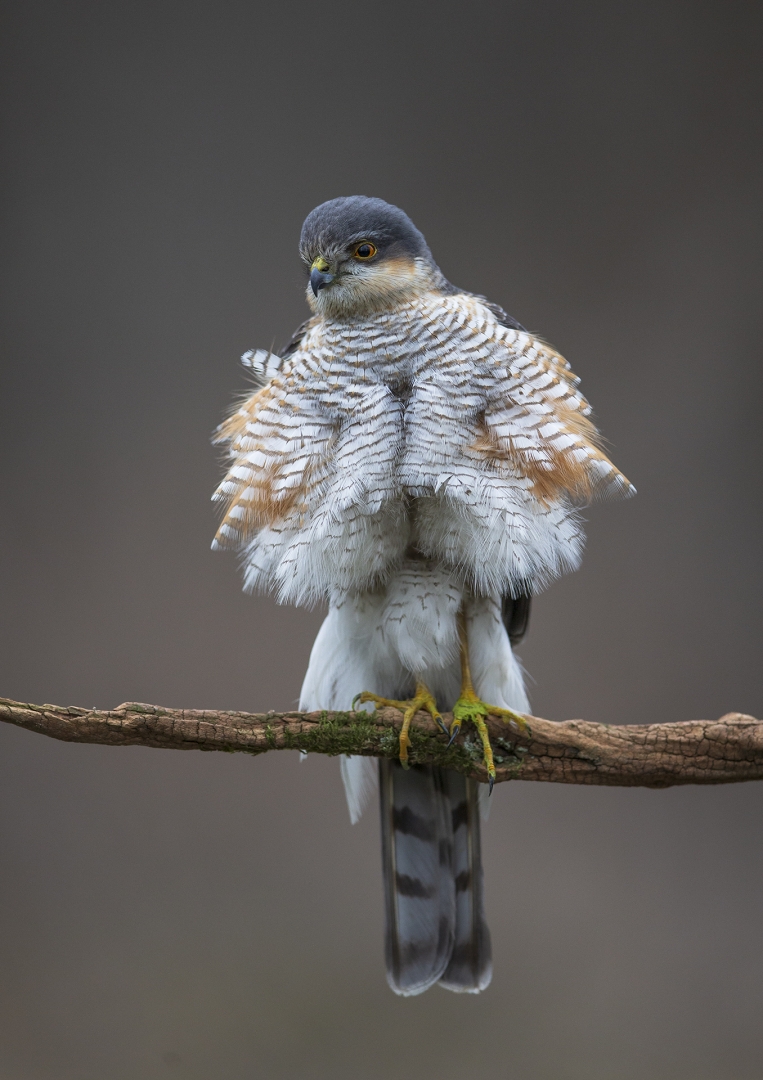
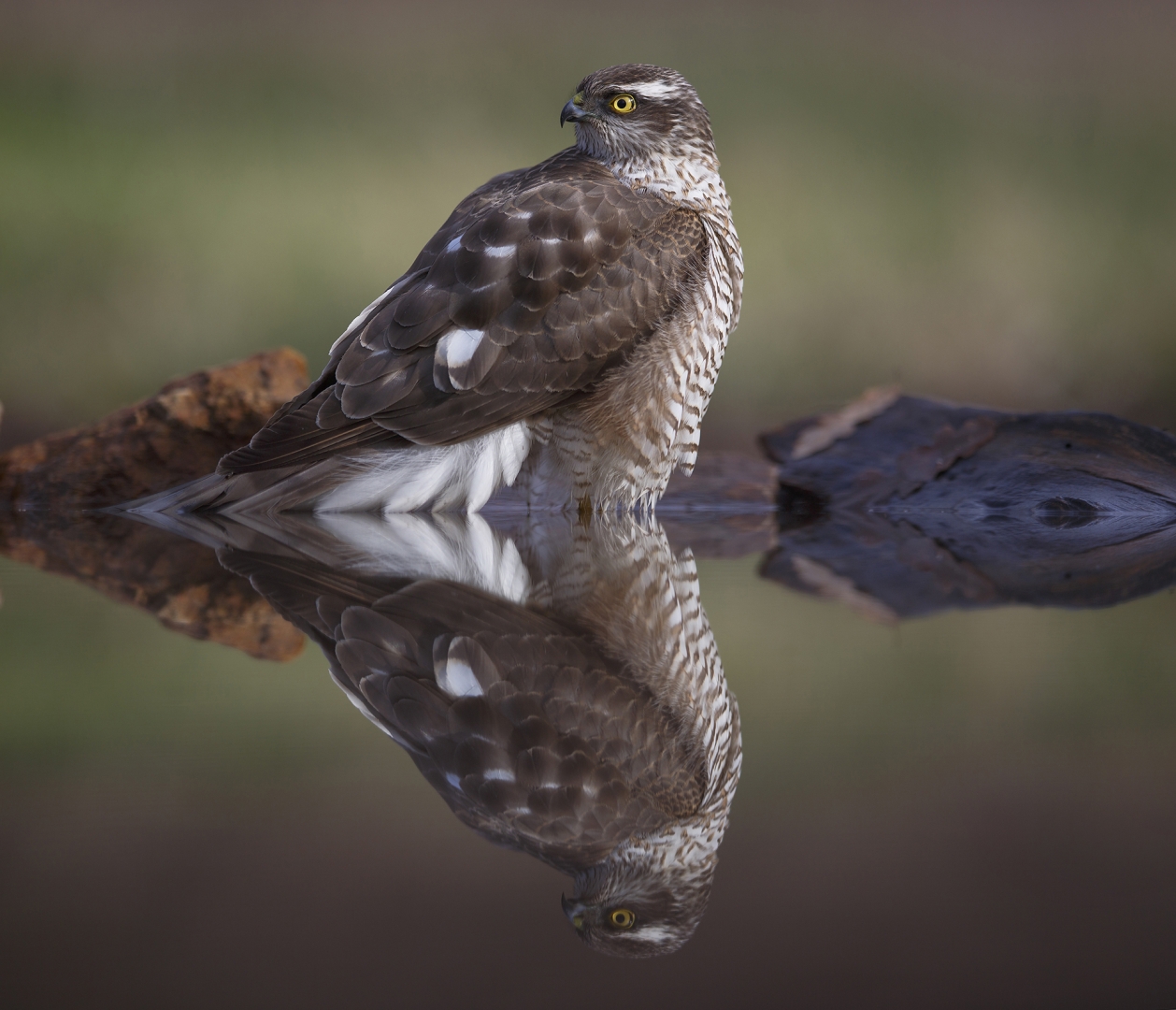
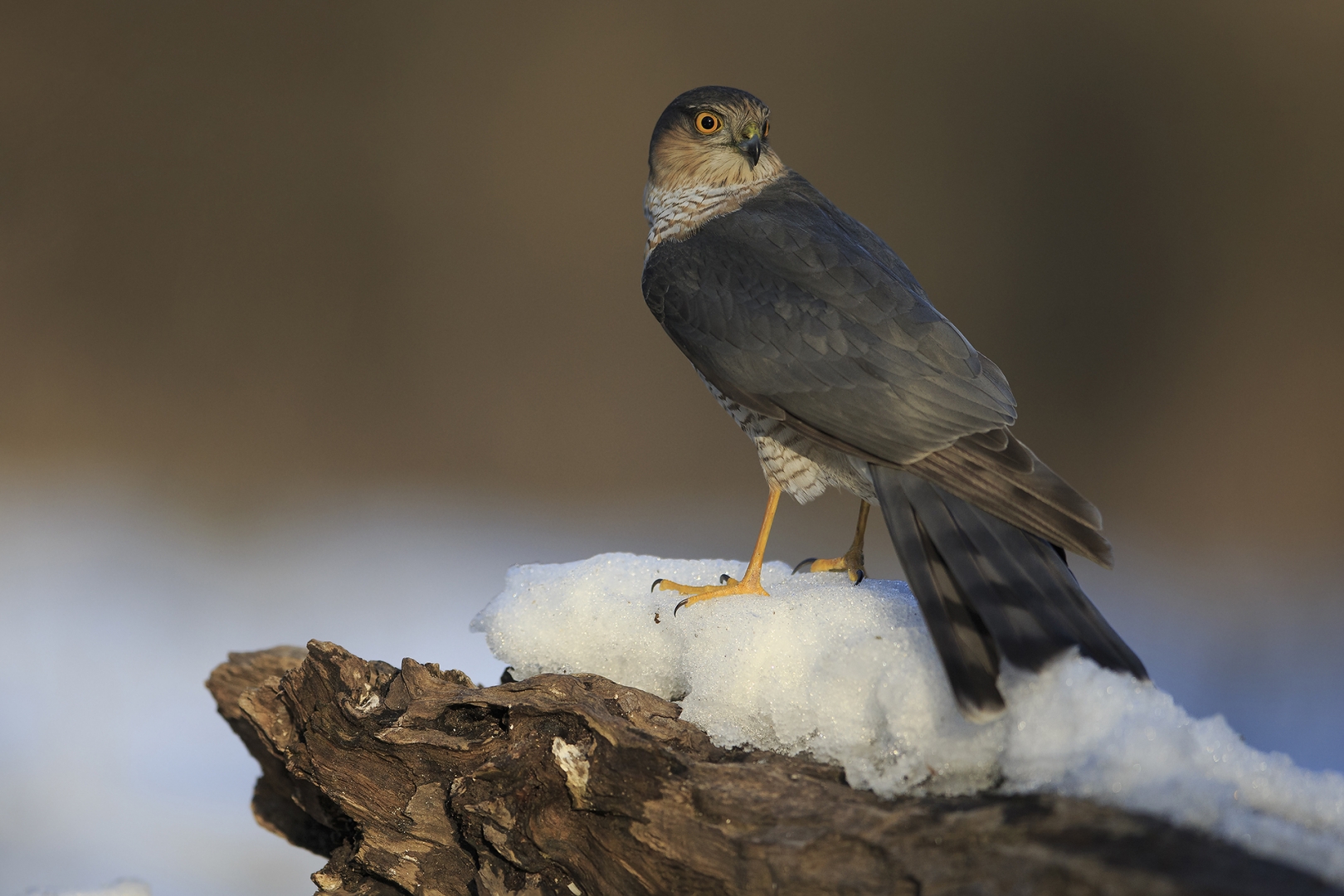
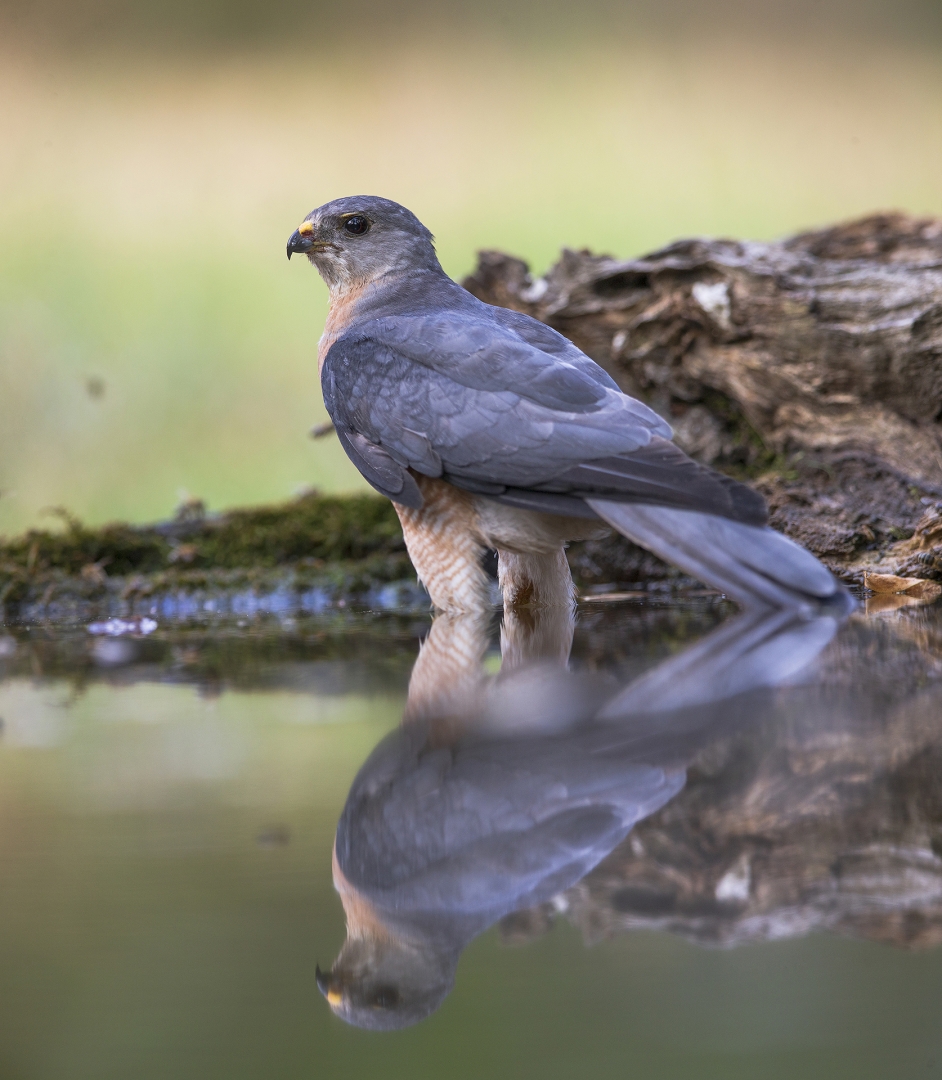
- Levant Sparrowhawk (Accipiter brevipes)
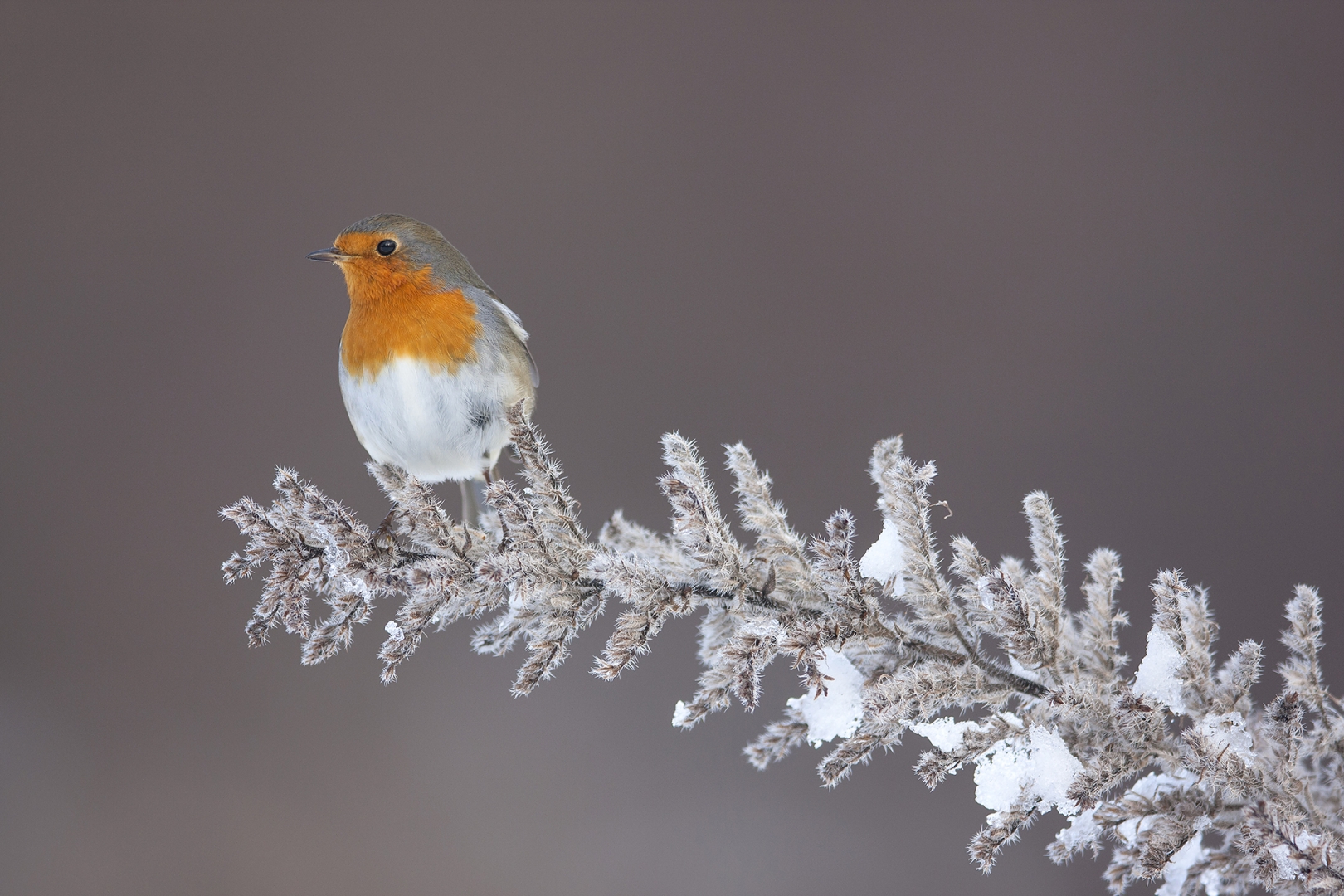
- European Robin (Erithacus rubecula)
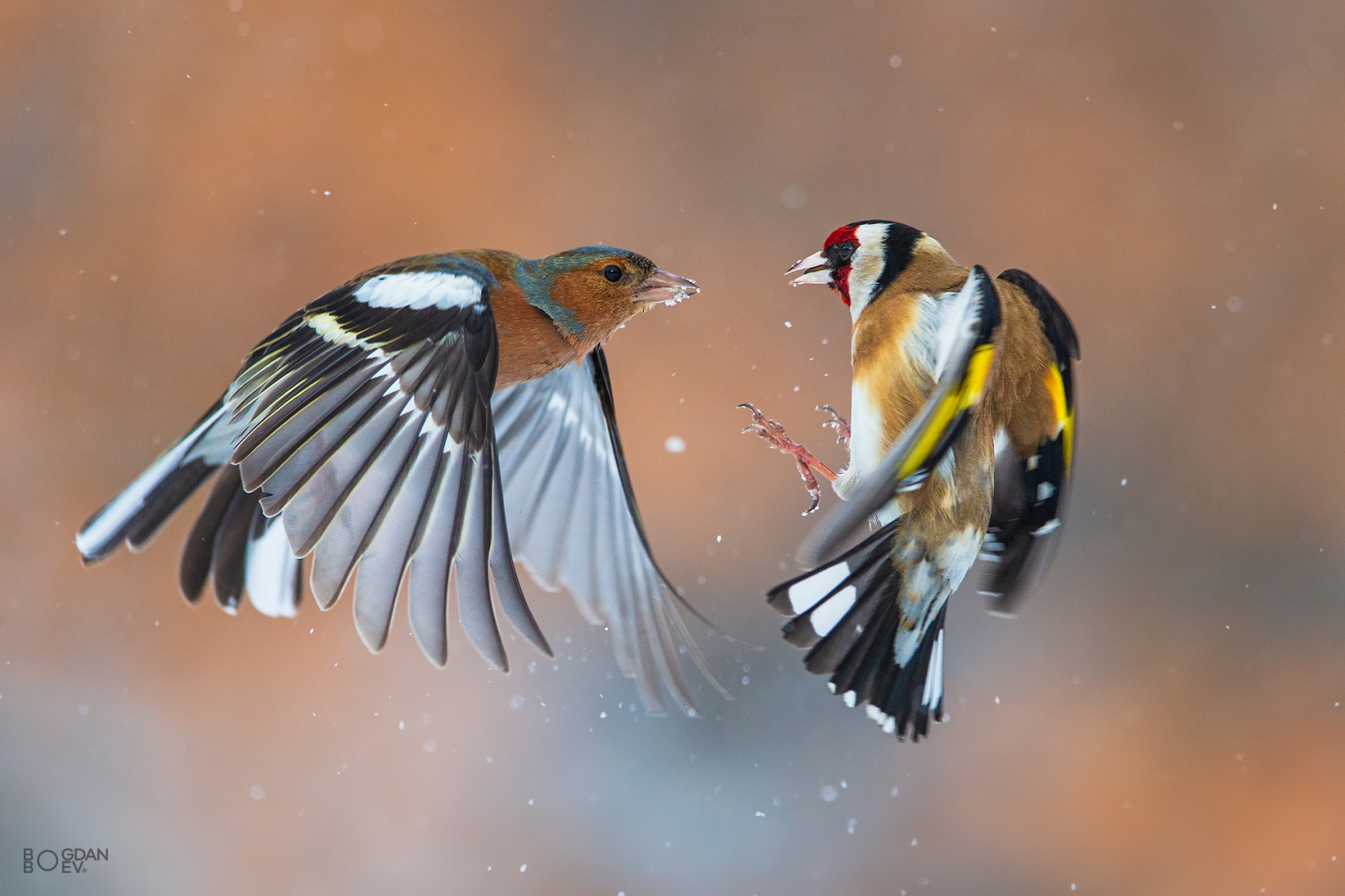
- Common Chaffinch (Fringilla coelebs)
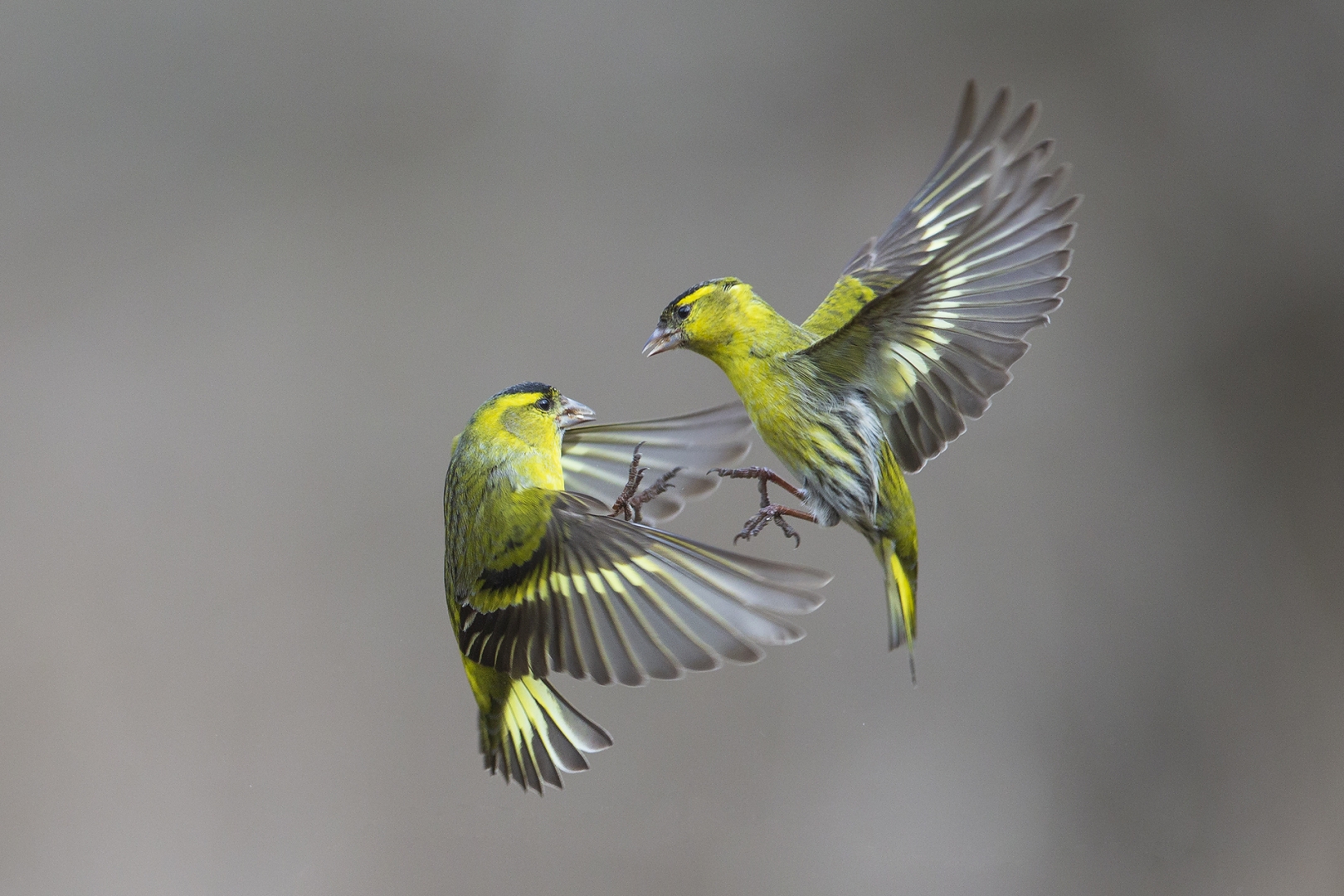
- European Greenfinch (Chloris chloris)
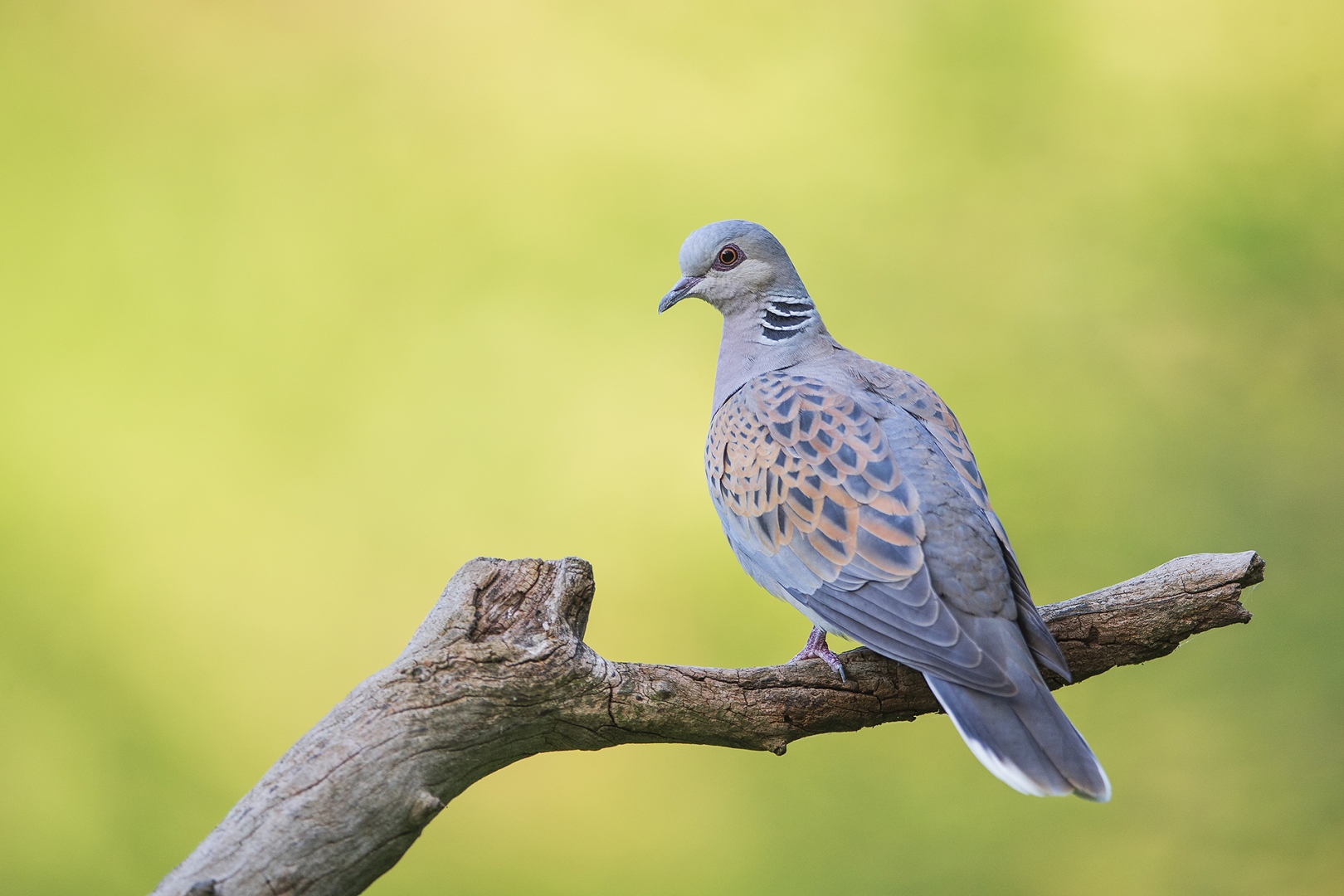
- European Turtle Dove (Streptopelia turtur)
- Eurasian Blackcap (Sylvia atricapilla)
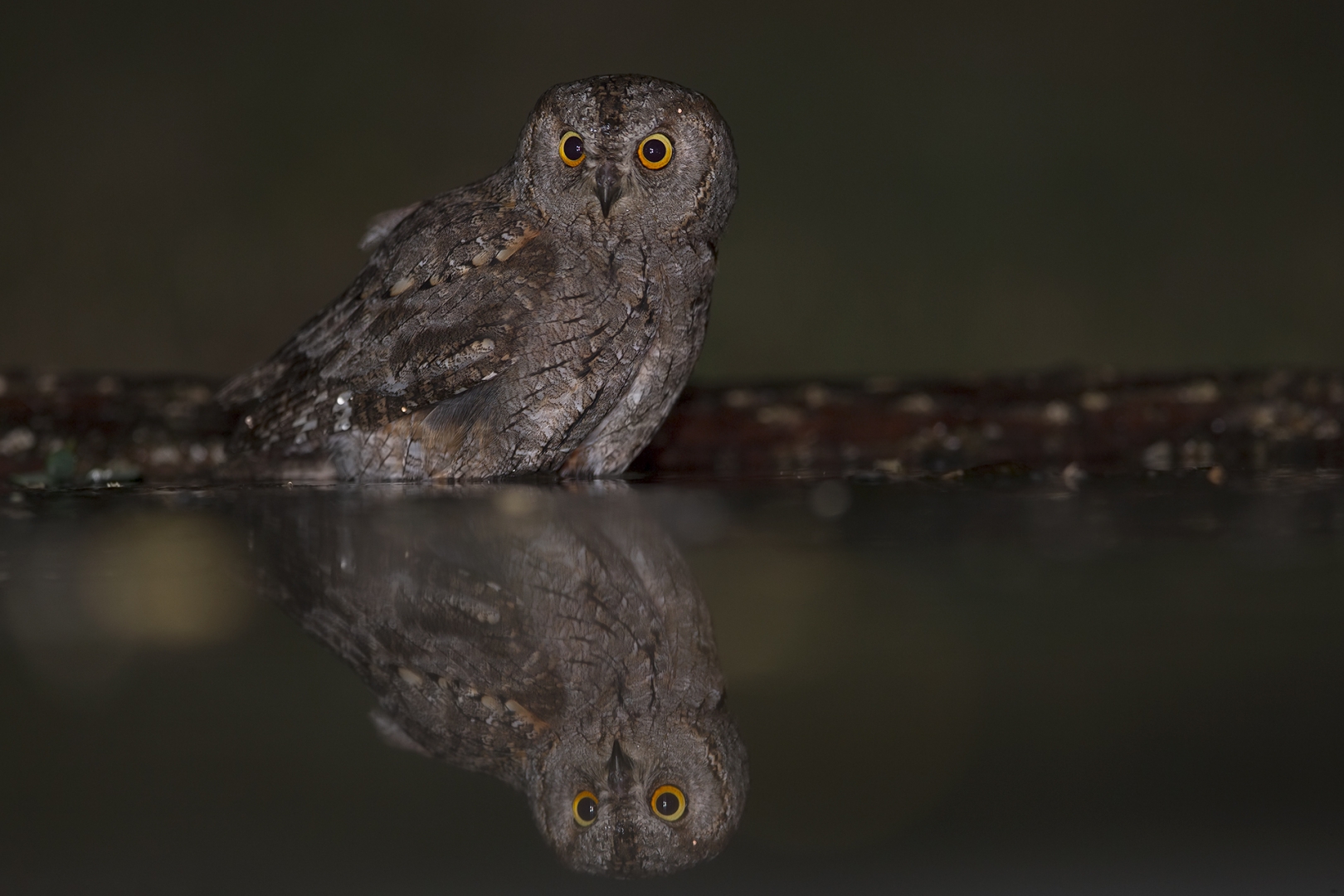
- European Scops Owl (Otus scops) (late in the evening)
- And more...
Mammals
- White-breasted Hedgehog
- Forest Dormouse
- European Hare
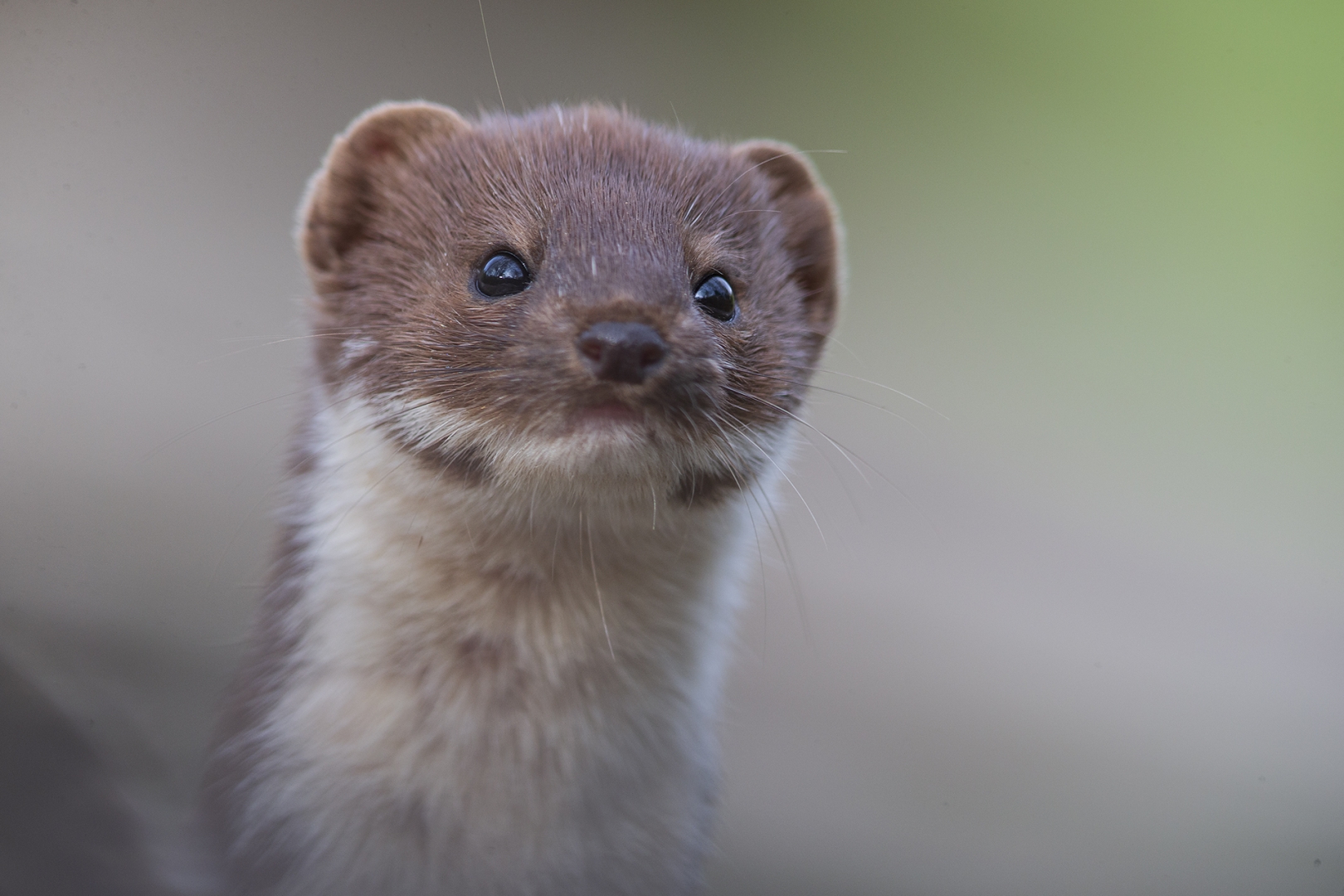
- Weasel
- Field Vole
- Golden Jackal
- European Badger
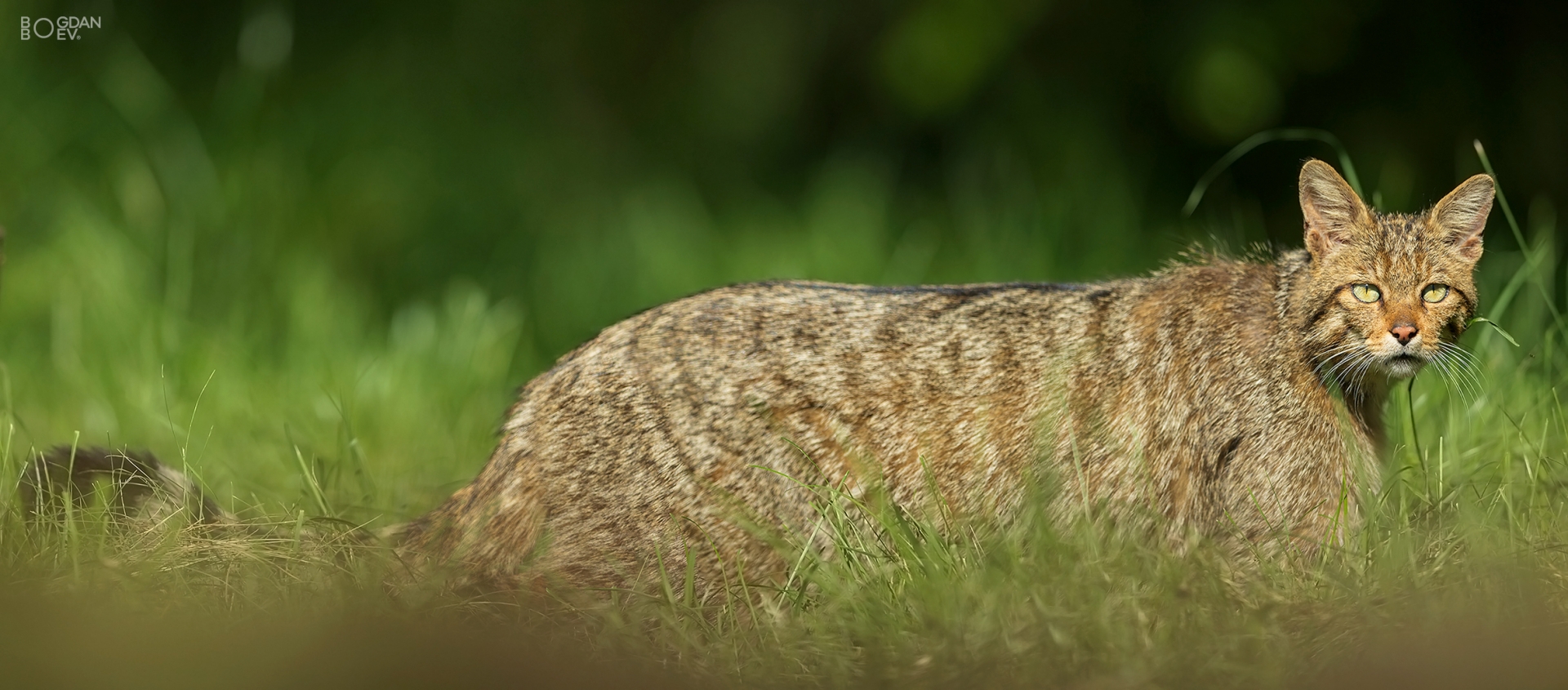
- Wildcat
Reptiles & Amphibians
- Marsh Frog
- Green Lizard
- Common Tree Frog
- Dice Snake
- European Green Lizard
- Smooth Newt
- Four-lined Snake
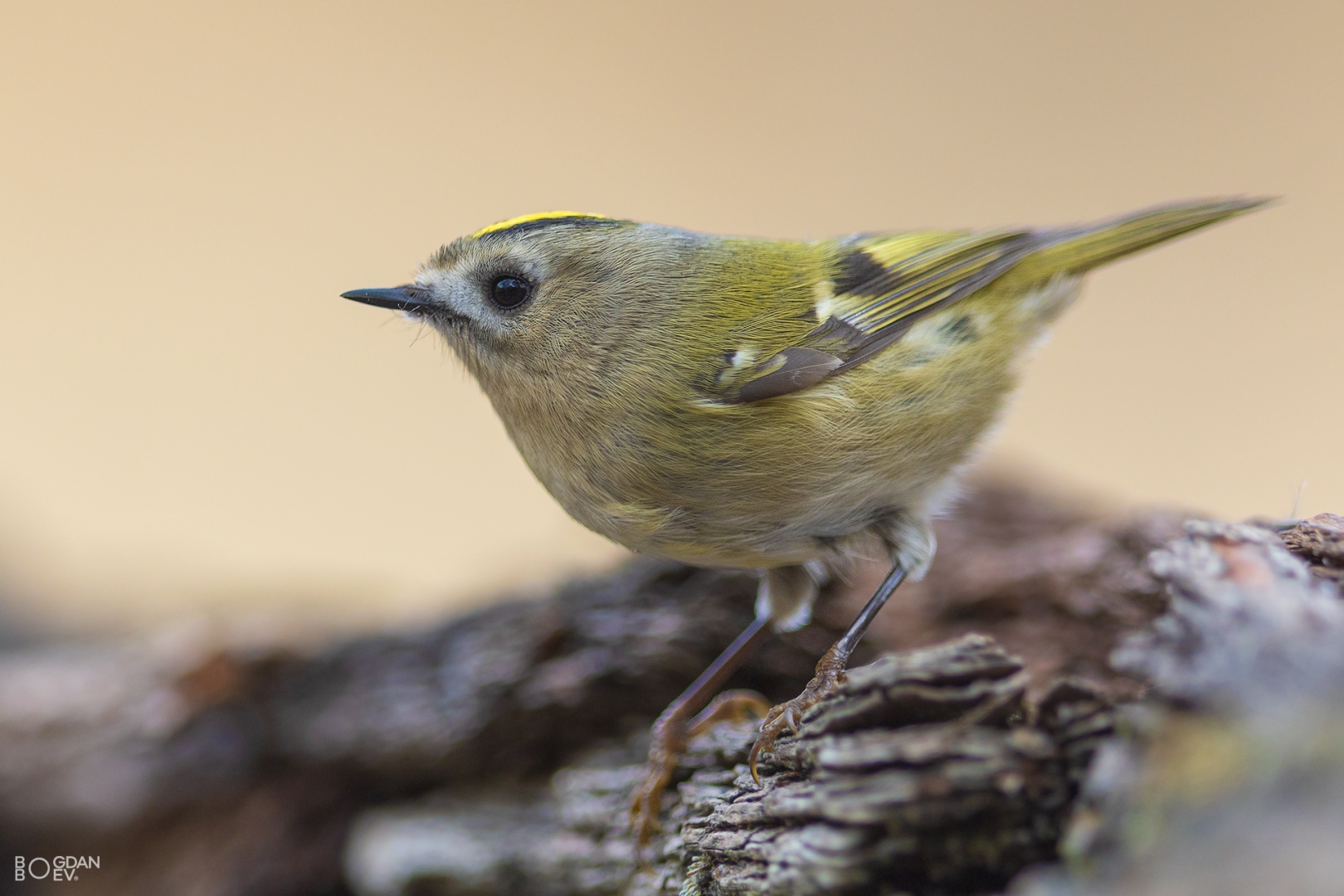
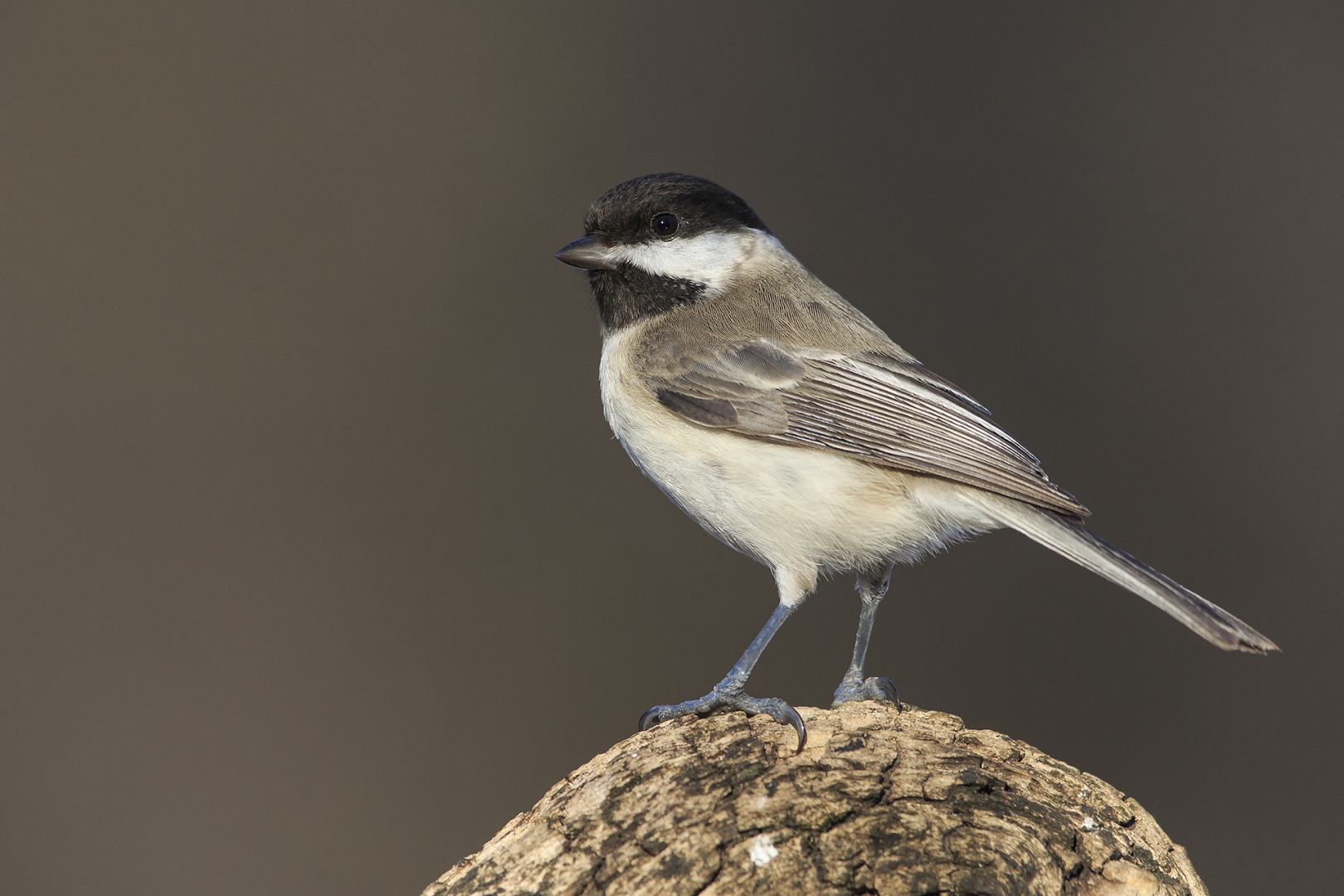
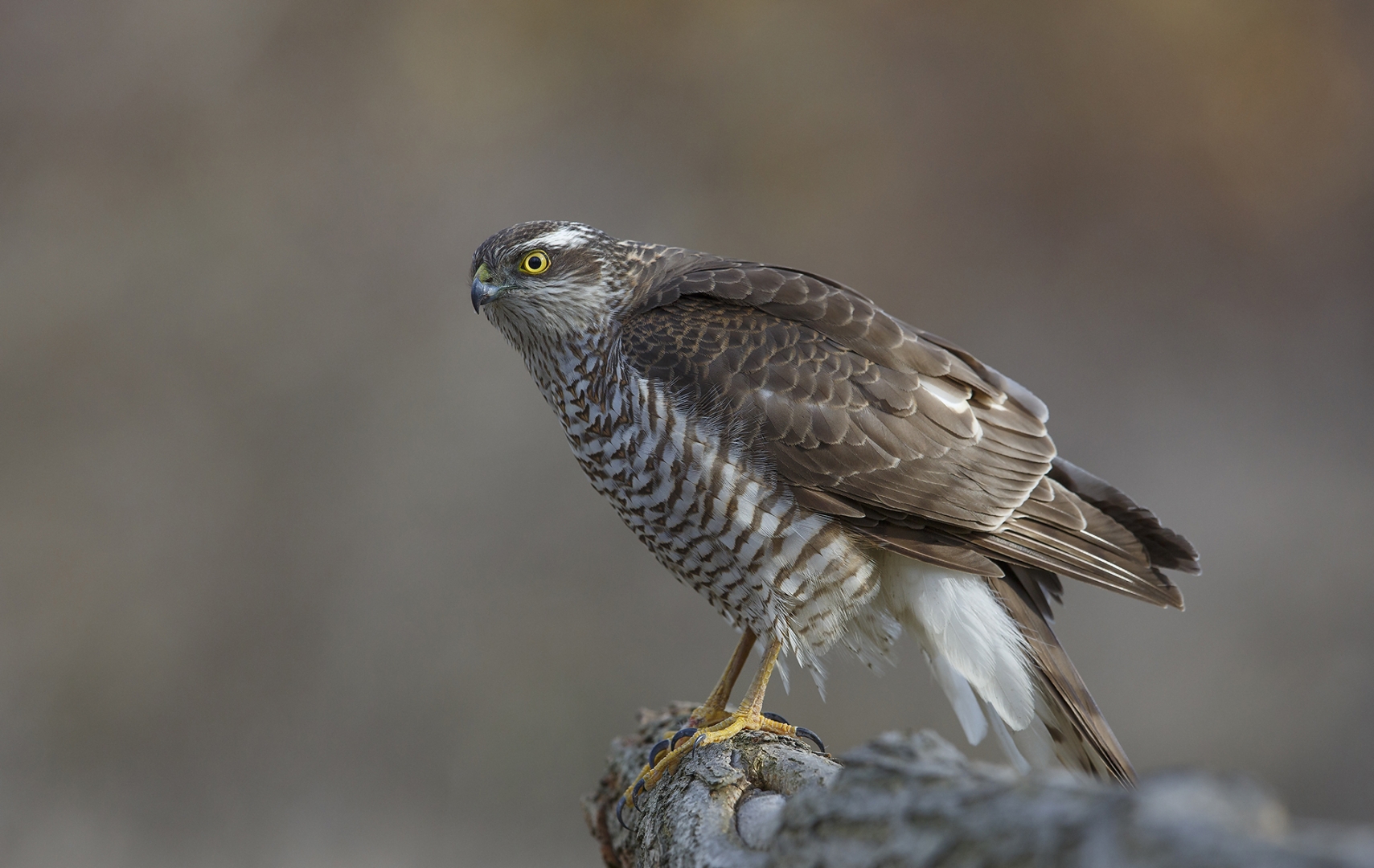
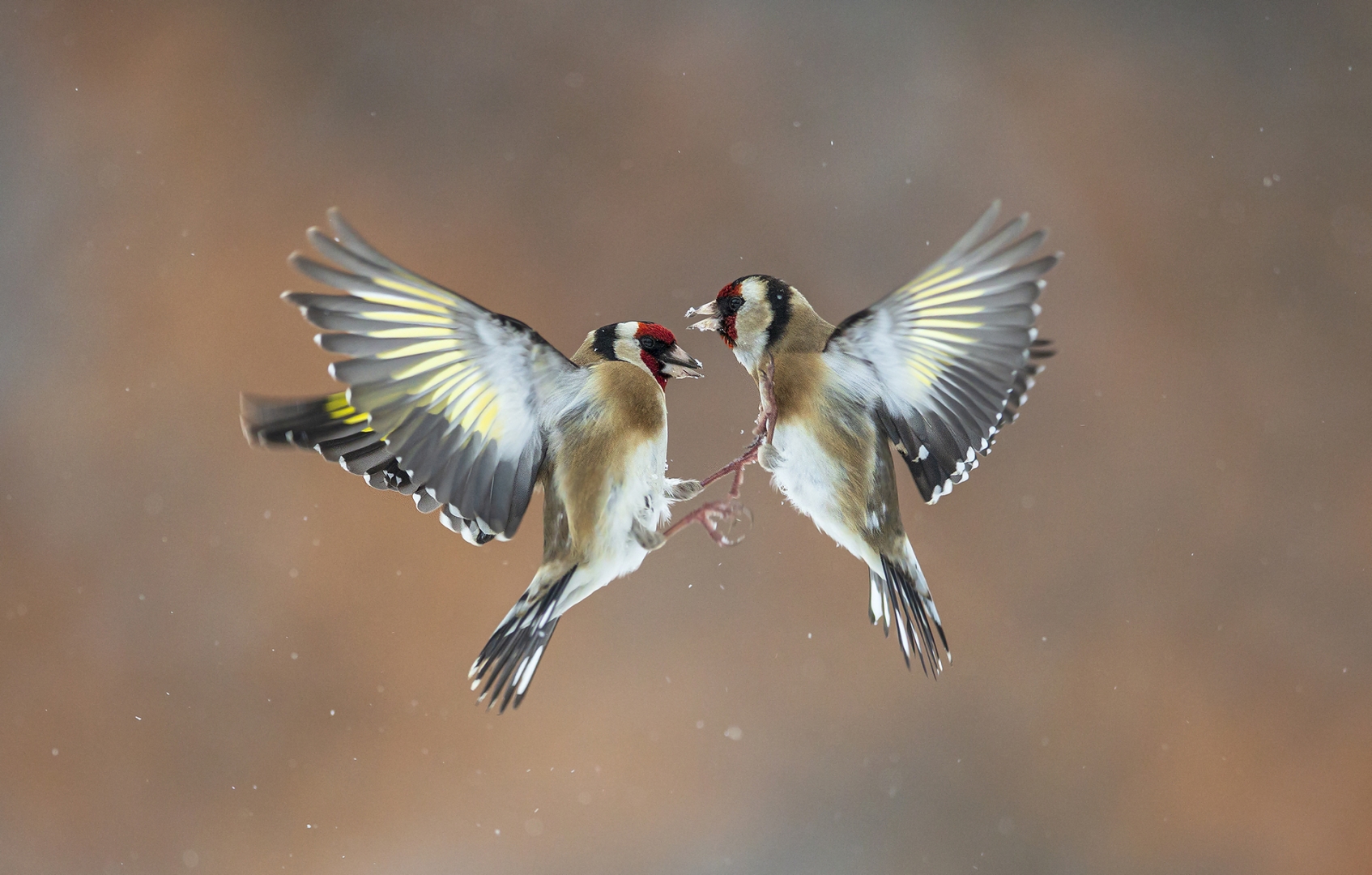
See below photographs taken from this hide.